
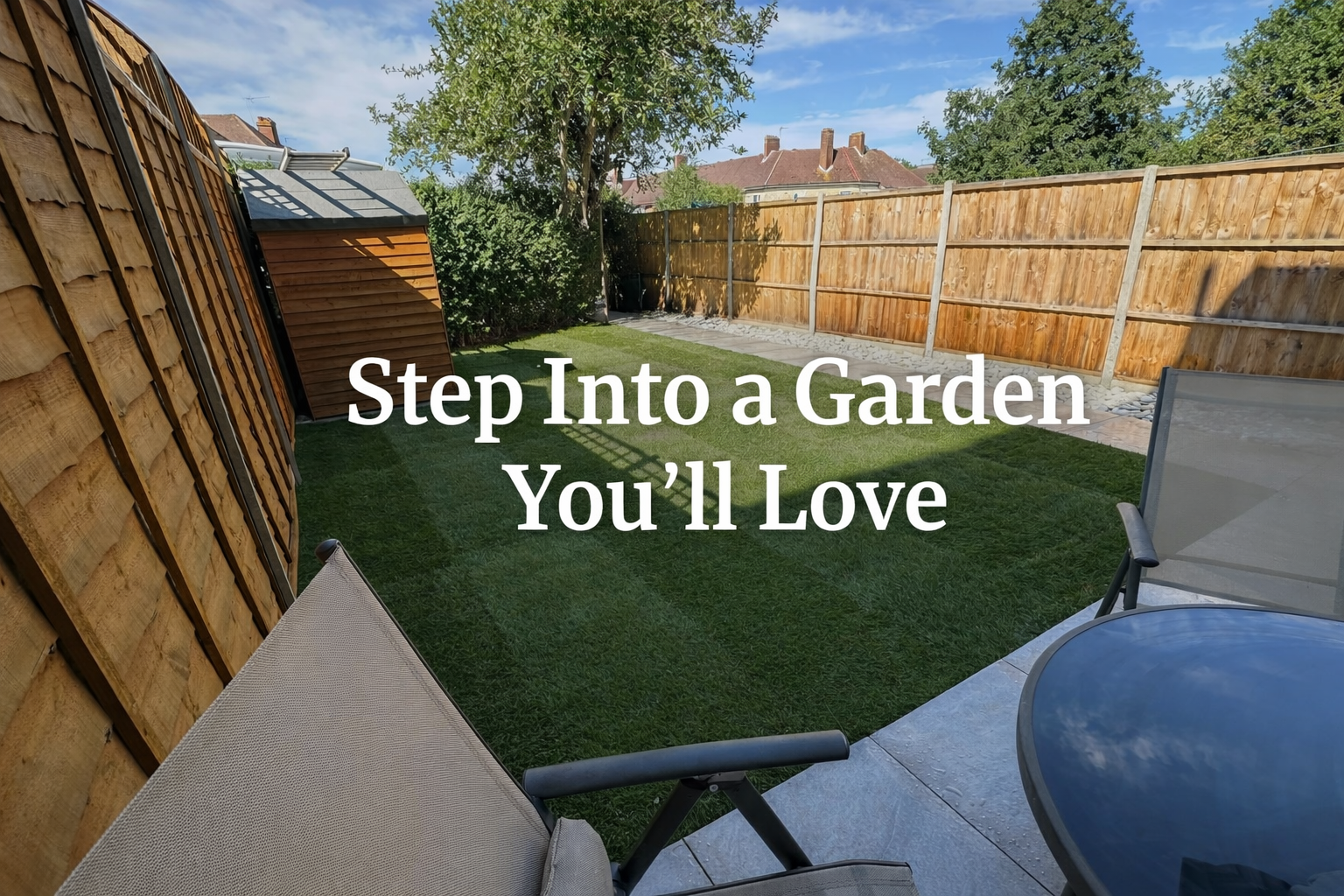
As March comes to an end, gardens across London are starting to wake up—but they’re not quite ready to shine just yet.
A few key steps now, such as garden clearance, turfing, or artificial grass installation, can completely change how your outdoor space looks and functions – getting your garden ready for spring! So let’s dive deeper!
TL;DR
Getting your garden ready for spring comes down to a few essentials: clear winter debris, assess your lawn, fix damaged fencing, and plan how you’ll use the space. Whether you’re looking into turfing a lawn, laying artificial grass, or booking artificial grass installers near you in London, early preparation means better results and less hassle later.
Why do London gardens need preparation before spring?
London gardens need preparation before spring because winter conditions weaken lawns, damage structures, and leave soil compacted and uneven.
Heavy rainfall and limited sunlight slow down natural recovery, while foot traffic during wet months often creates muddy and worn areas. As a result, many gardens are not ready for immediate use once temperatures begin to rise.
Common post-winter issues include:
- Patchy or thinning grass
- Waterlogged or muddy areas
- Debris and dead plant buildup
- Damaged fencing
- Uneven ground surfaces
Addressing these early makes it much easier to restore your garden before the growing season begins.
What does garden clearance and ground maintenance improve?
Garden clearance and regular ground maintenance improve soil condition, drainage, and overall garden health.
Over winter, leaves and organic debris can build up and trap moisture, preventing sunlight and air from reaching the soil. Clearing this away creates the right conditions for healthy growth and allows you to properly assess the state of your garden.
It also prepares the space for further improvements, such as laying new turf or installing artificial grass, ensuring a more even and long-lasting result.
Should you choose turfing or artificial grass?
The choice between turfing and artificial grass depends on how you want your garden to look and how much maintenance you’re willing to take on.
Natural turf is ideal for homeowners who prefer a traditional lawn with a soft, natural feel. Early spring provides good conditions for new turf to establish and grow.
Artificial grass offers a practical alternative for those looking to reduce maintenance and avoid muddy patches. It provides a consistent, clean surface that can be used throughout the year with minimal upkeep.
Both options can work well when installed correctly, so the right choice often comes down to how you use your garden and how much ongoing care you want to manage.
Why is early spring best for turfing a lawn?
Early spring provides the right balance of moisture and temperature for new turf to establish successfully.
These conditions help grass develop strong roots before the warmer, drier months arrive. Installing turf at this stage gives your lawn the best chance to grow evenly and remain healthy over time.
Typical turfing work includes:
- Removing damaged or dead grass
- Levelling and preparing the soil
- Applying fertiliser where needed
- Laying new turf evenly across the area
Planning this work early helps avoid delays later in the season and ensures your garden is ready to use sooner.
How do fencing repairs improve your garden?
Fencing repairs improve your garden by restoring structure, privacy, and security while preventing further damage.
Winter weather can weaken fence posts, loosen panels, and cause gradual deterioration. Addressing these issues before carrying out other upgrades helps stabilise the space and protect any new work.
Well-maintained fencing:
- Defines clear garden boundaries
- Improves safety and privacy
- Enhances the overall appearance of the space
Combining fencing improvements with lawn upgrades creates a more complete and durable result.
Can decking improve your outdoor space?
Decking improves your outdoofr space by creating a functional area for relaxing, dining, and entertaining.
It adds structure to your garden and provides a clean, level surface that can be used regardless of ground conditions. This is especially useful in areas where grass struggles to grow evenly or becomes muddy during wet periods.
Decking can also complement both natural lawns and artificial grass, helping create a balanced and practical layout.

How do professional services support a garden ready for spring?
Professional garden services support long-term results by ensuring that groundwork, installation, and maintenance are carried out correctly from the start.
For homeowners, this means a lawn that establishes properly and remains in good condition. For shared residential spaces and commercial properties, regular maintenance keeps outdoor areas clean, safe, and visually appealing.
Services can include:
- Lawn installation and repair
- Artificial grass installation and upkeep
- Garden clearance and surface preparation
- Fence repair and installation
- Ongoing maintenance for residential and commercial spaces
A well-planned approach helps prevent recurring issues and keeps your garden looking its best throughout the year.
Frequently asked questions
When should I start preparing my garden for spring in London?
Late March to early April is an ideal time, as conditions allow for both preparation and installation work.
Is artificial grass better than natural turf?
It depends on your priorities. Natural turf offers a traditional look and feel, while artificial grass provides a low-maintenance alternative that stays consistent throughout the year.
What’s involved in installing artificial grass?
Installation typically includes preparing the ground, creating a stable base, and securing the surface evenly to ensure proper drainage and durability.
How do I maintain artificial grass?
Maintenance is minimal and usually involves occasional brushing, rinsing, and general cleaning to keep the surface in good condition.
Do commercial properties need regular garden maintenance?
Yes, regular maintenance helps ensure outdoor areas remain safe, tidy, and presentable for residents, employees, and visitors.
Final thoughts: Get your garden ready for spring
A garden that has been through winter rarely recovers on its own without some level of attention.
By taking care of clearance, lawn improvements, fencing, and layout early, you can transform your outdoor space before spring fully arrives.
Starting now means fewer delays, better results, and a garden ready to enjoy from the start of the season. Contact PI Gardening and let’s start today.