
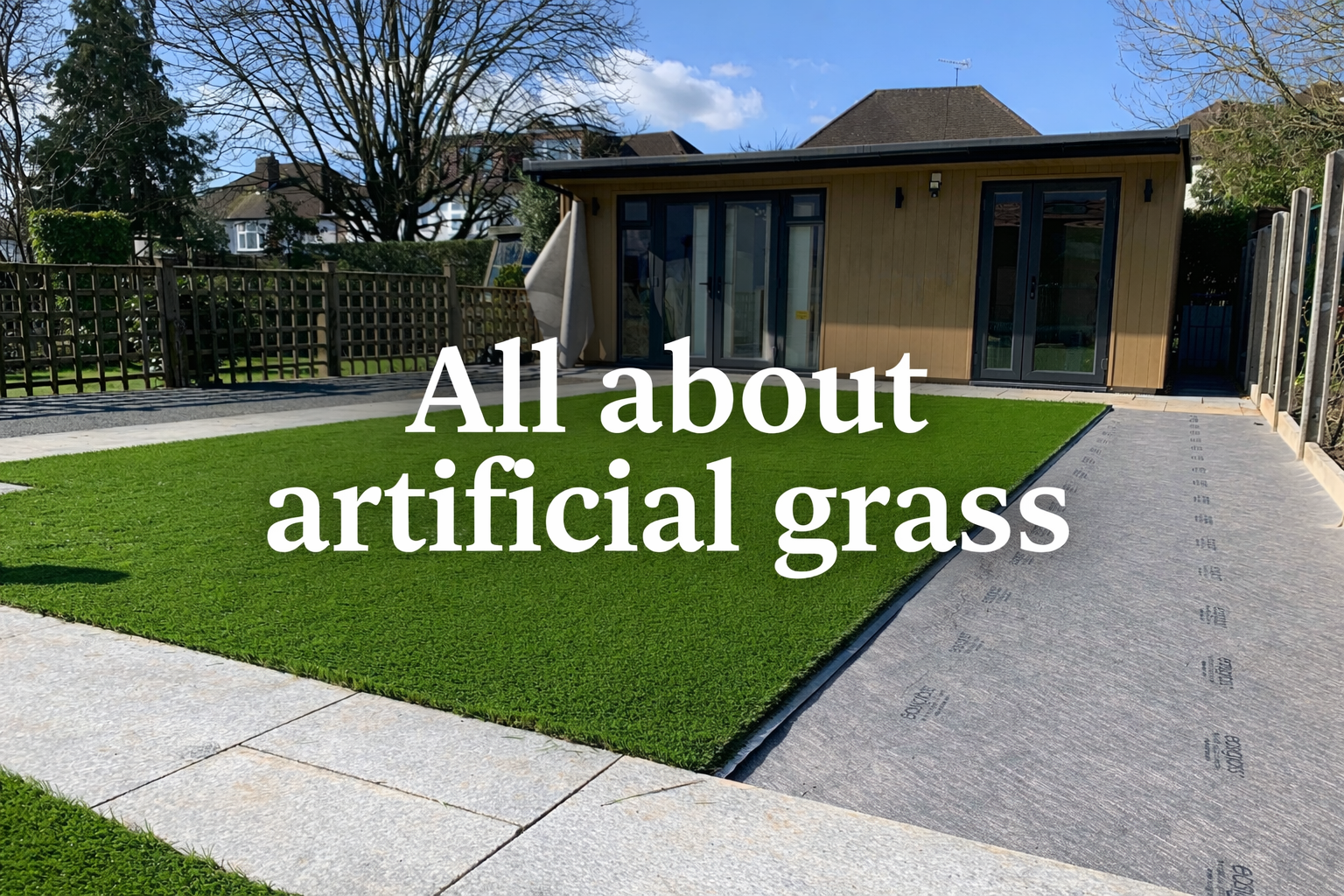
Spring in London has a certain optimism to it. The sun shows up just enough to make you believe this might be the year your lawn thrives… until the rain rolls back in and everything turns into a soft, muddy apology.
So it’s no surprise more Londoners are asking a bigger question:
Is artificial grass actually eco-friendly in the UK?
The answer isn’t a simple yes or no. But if you’re looking for a sustainable garden solution in London that fits real life, the truth might be more practical than you expect.
Let’s break it down properly.
Is Artificial Grass Eco-Friendly in the UK? The Honest Answer
Artificial grass often gets labelled as “not eco-friendly” because it’s synthetic. That’s true on the surface, but it’s only part of the story.
To really answer whether artificial grass is eco-friendly in the UK, you have to look at the full lifecycle.
Where artificial grass falls short:
- Made from plastic-based materials
- Limited support for biodiversity
- Energy used in production and transport
Where it performs surprisingly well:
- No watering required
- No fertilisers, pesticides, or weedkillers
- No mowing (less fuel or electricity use)
- Long lifespan (typically 10–15 years or more)
In London, where natural turfing often require constant intervention, artificial grass can reduce ongoing environmental impact over time.
Sustainable Garden London: What Actually Matters More Than Materials
When people think about creating a sustainable garden in London, they often focus purely on whether something is “natural” or “artificial.”
But sustainability is more about how a garden behaves over time.
Consider:
- A natural lawn that needs watering, feeding, and repair
- Versus artificial grass that stays consistent with minimal input
Which one uses fewer resources over 10 years?
In many London gardens, especially smaller or shaded ones, the answer isn’t as obvious as it seems.
A low-maintenance garden is often a more sustainable one.
Why Natural Lawns Struggle in London (Especially in Spring)
London’s spring weather is unpredictable:
- Rain arrives in bursts
- Soil becomes compacted and waterlogged
- Sunlight is inconsistent due to buildings and fences
This leads to:
- Muddy patches
- Thin or patchy grass
- Frequent reseeding
Each fix requires time, materials, and ongoing input.
Artificial grass avoids this cycle. It doesn’t depend on sunlight in the same way, and it won’t turn into mud after a period of rain.
Artificial Grass Installation: Environmental Impact vs Longevity
One of the biggest concerns is artificial grass installation.
There is an upfront environmental cost:
- Ground preparation
- Base materials
- Manufacturing of the turf
However, the long-term comparison matters.
Natural grass typically requires:
- Weekly mowing
- Seasonal feeding
- Regular watering
- Occasional replacement
Artificial grass, once installed, requires very little input.
Proper laying of artificial grass ensures:
- Effective drainage
- Longer lifespan
- Reduced need for repairs
Over time, this can result in lower total resource use.
Maintenance Matters: The Low-Impact Reality
Artificial grass still requires maintenance, but it is minimal.
Typical upkeep includes:
- Brushing with an artificial grass brush
- Occasional rinsing
- Spot cleaning using an artificial grass cleaner
There is no need for:
- Fertilisers
- Weedkillers
- Fuel-powered mowing
This significantly reduces the environmental impact of day-to-day garden care.
Cheap Artificial Grass vs Long-Term Sustainability
Searching for cheap artificial grass is common, especially in London, where budgets and space are limited.
However, lower-cost options often:
- Wear out faster
- Flatten more quickly
- Require earlier replacement
Higher-quality artificial grass:
- Lasts longer
- Maintains its appearance
- Reduces waste over time
From a sustainability perspective, durability is a key factor.
Artificial Grass Near Me: Why Local Installation Matters
When searching for artificial grass near me, convenience is usually the priority.
But local sourcing also contributes to sustainability:
- Reduced transport emissions
- Better knowledge of local conditions
- More reliable installation
Professional artificial grass installation ensures:
- Proper groundwork
- Improved drainage
- Longer lifespan
This reduces the likelihood of repairs or replacement.
What About Biodiversity?
Artificial grass does not support biodiversity in the same way natural soil and plants do.
However, many London lawns provide limited ecological value, particularly if they are:
- Frequently treated with chemicals
- Heavily used
- Struggling to grow
A balanced approach can include:
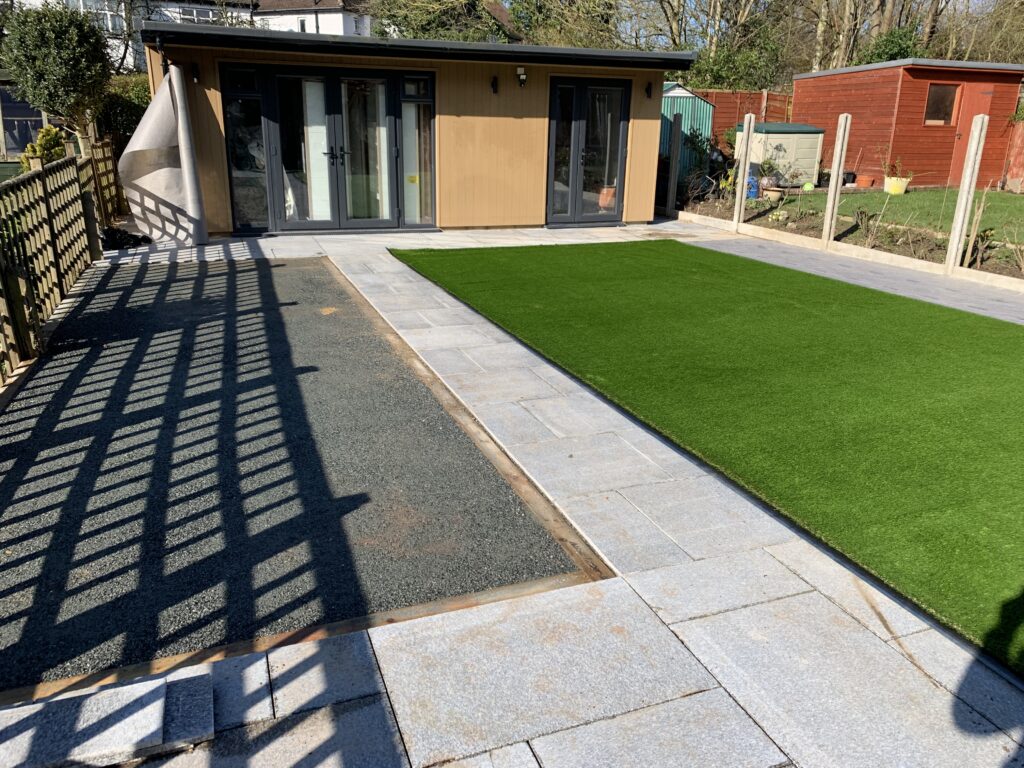
- Artificial grass for usable space
- Planting beds for biodiversity
- Pollinator-friendly flowers
- Container or vertical planting
This creates a garden that is both practical and environmentally considered.
So… Is Artificial Grass a Sustainable Choice in London?
Artificial grass is not a perfect solution.
However, it can be:
- A lower-maintenance alternative
- A long-term resource-saving option
- A practical choice for difficult garden conditions
Especially when combined with natural planting elements.
Sustainability is not about choosing one ideal material. It is about making choices that work effectively over time.
Frequently asked questions
Is artificial grass eco-friendly in the UK?
Artificial grass is not fully eco-friendly due to its synthetic materials. However, in the UK, it can be more sustainable than natural lawns when it reduces water use, chemicals, and maintenance over time.
Does artificial grass harm the environment?
It has an environmental impact during production and disposal. However, it reduces ongoing environmental strain by eliminating watering, mowing, and chemical treatments.
How long does artificial grass last?
Most high-quality artificial grass lasts 10–15 years or more, making it a long-term solution compared to frequently repaired natural lawns.
Is artificial grass better than real grass for London gardens?
In many London gardens, yes. Especially where grass struggles due to shade, drainage issues, or heavy use. A combination of artificial grass and planting is often the best approach.
Can artificial grass be recycled?
Some artificial grass products are recyclable, but not all. It is important to check with your supplier.
What is the environmental impact of artificial grass installation?
The main impact comes from materials and installation. This is often balanced over time by reduced maintenance and resource use.
How do you maintain artificial grass sustainably?
Use an artificial grass brush, rinse occasionally, and clean only when necessary with an artificial grass cleaner. Avoid unnecessary chemicals.
Is cheap artificial grass a good idea?
Cheaper artificial grass may need replacing sooner, which increases waste. Higher-quality options are typically more sustainable long-term.
How to lay artificial grass in an eco-conscious way?
Proper how to lay artificial grass methods include good drainage, durable base materials, and professional installation to reduce future repairs.
Is artificial grass suitable for all London gardens?
It works best in small, shaded, or high-traffic gardens where natural grass struggles to grow.
Final Thought: Sustainability That Actually Fits Real Life
A London garden in spring should be usable, not demanding.
If artificial grass helps reduce maintenance, minimise resource use, and create a more functional outdoor space, it can be a practical step toward a more sustainable garden.
Sustainability is not only about materials. It is about choosing solutions that last and work within real conditions.
We can help with that, so contact PI Gardening if you are in London or the surrounding areas. We’ve got you.