
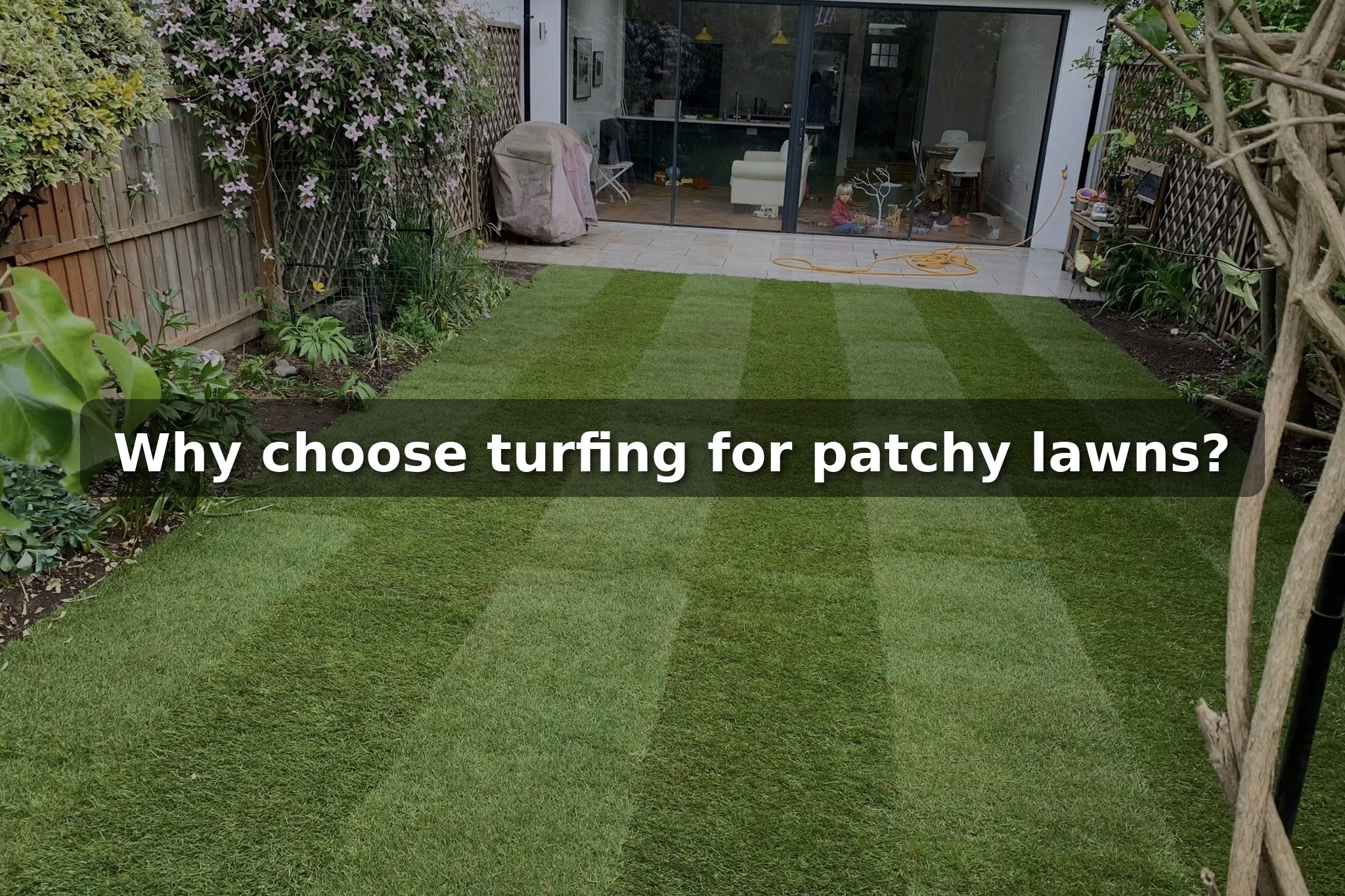
When spring arrives in London, many homeowners step outside expecting to see their gardens coming back to life. Instead, they often find partchy lawn after winter.
Cold temperatures, heavy rainfall, limited sunlight, and constant foot traffic can take a serious toll on grass during the colder months. By March and April, it’s common for lawns across London and surrounding areas to show clear signs of damage.
The good news is that spring is also the perfect time to repair your lawn and restore its appearance. With the right approach, including professional turfing or artificial turfing solutions, you can transform a tired garden into a fresh, healthy outdoor space.
TL;DR
London lawns often look patchy after winter due to rain, frost, soil compaction, and reduced sunlight. Professional turfing or artificial grass installation can quickly restore damaged lawns and prepare your garden for spring and summer use.
Why do London lawns often look patchy after winter?
London lawns often look patchy after winter because prolonged moisture, frost, and reduced sunlight weaken grass roots and compact the soil.
Winter conditions in London frequently include heavy rain and saturated ground. When soil remains wet for long periods, grass struggles to breathe and grow properly.
Common winter lawn problems include:
- Bare or thinning patches
- Muddy areas where grass has died off
- Moss growth
- Uneven or compacted soil
- Poor drainage
By early spring, many London homeowners begin searching for turfing near me or lawn turfing near me because natural recovery can take months without intervention.
How does heavy winter rain affect turf and soil?
Heavy winter rain affects turf by compacting soil and washing away nutrients that the grass needs to grow.
London’s clay-heavy soil can hold water for long periods, which prevents oxygen from reaching the roots. This weakens grass and leaves the lawn vulnerable to disease and thinning.
When spring arrives, lawns may look:
- Dull and yellow
- Uneven in colour
- Soft and muddy underfoot
Preparing the soil properly with treatments like pre-turfing fertiliser and levelling is often necessary before new grass turfing can succeed.
Can artificial grass solve muddy garden problems?
Yes, artificial grass can solve muddy garden problems by providing a clean, durable surface that drains well and requires minimal maintenance.
Many London homeowners choose artificial grass installation to eliminate patchy lawns and the constant upkeep required. Searches like artificial grass near me increase every spring as people look for solutions that keep gardens usable year-round.
Modern artificial turfing offers several benefits:
- No mud during wet weather
- No mowing or fertilising required
- Long-lasting, even surface
- Simple upkeep with an artificial grass brush or occasional artificial grass cleaner
Whether you choose premium materials or cheaper artificial grass options, a properly installed artificial lawn can dramatically improve smaller London gardens.
Why is spring the best time for turfing a lawn?
Spring is the best time for turfing a lawn because mild temperatures and longer daylight hours help new grass establish quickly.
When installing turf in early spring, grass has enough moisture and warmth to develop strong roots before summer arrives.
Professional turfing a garden typically involves:
- Removing damaged lawn areas
- Levelling and preparing soil
- Applying pre turfing fertiliser
- Laying new grass turfing rolls evenly
Many homeowners check a turfing calculator to estimate how much turf they need and research turfing prices and turfing cost before beginning a project.
Booking garden turfing near me services early ensures the work is completed before peak gardening season begins.
How does professional turfing restore a damaged lawn?
Professional turfing restores a damaged lawn by replacing unhealthy grass with fresh turf grown specifically for strong root development.
A professional team ensures the ground is properly prepared so the new lawn establishes quickly and evenly. This process improves drainage, strengthens the soil structure, and creates a healthy surface for outdoor use.
Homeowners often choose professional services instead of DIY because:
- Soil preparation is done correctly
- Turf is laid evenly without gaps
- Lawn establishes faster
- Results look more uniform
For larger gardens in London’s suburban areas, turfing can completely transform outdoor spaces within a matter of days.
Should fencing be repaired before installing new turf?
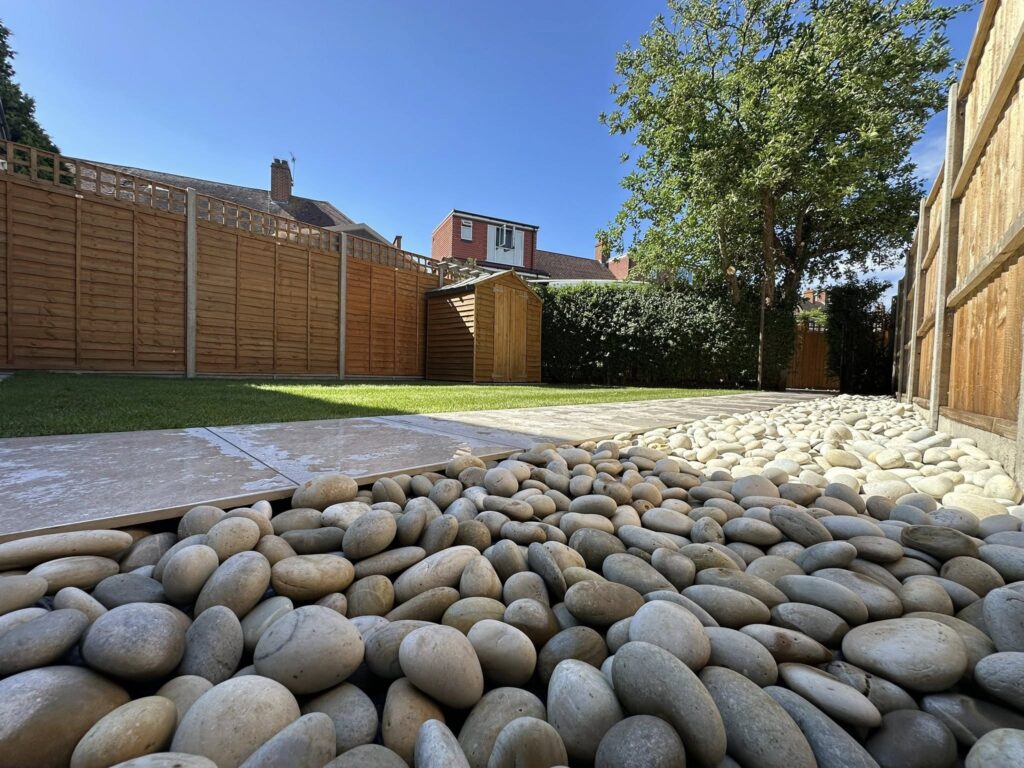
Yes, fencing should often be repaired before installing new turf to prevent damage to the new lawn during installation work.
Loose fence posts, damaged panels, or unstable boundaries can affect soil stability and drainage. Professional fence contractors may recommend completing fence installation, fence repair, or fence post repair before laying new turf.
Addressing fencing and lawn upgrades together helps create a cohesive and durable garden layout.
What other garden upgrades help restore a lawn after winter?
Several complementary upgrades can help restore your garden after winter damage.
In addition to turfing or artificial grass installation, homeowners often consider:
- Improving drainage around lawn edges
- Repairing fencing or boundaries
- Adding fresh planting areas
- Re-levelling uneven ground
Combining these improvements with new turfing ensures the garden remains healthy and attractive throughout the growing season.
How professional garden services help London lawns recover faster
Professional garden services help London lawns recover faster by addressing underlying soil, drainage, and installation issues.
At PI Gardening, we help homeowners across London and the surrounding areas restore their outdoor spaces through:
- Professional turfing and grass turfing
- Artificial grass installation and maintenance
- Garden maintenance and lawn recovery
- Fence installation, fence repair, and fence post repair
With the right approach, even the most patchy winter lawn can become a healthy, vibrant garden ready for spring and summer.
Frequently asked questions
Why does my lawn look patchy every spring in London?
Lawns often look patchy in spring because winter rain, frost, and reduced sunlight weaken grass roots and compact the soil. London’s clay-heavy soil can also retain moisture, which prevents grass from recovering properly after winter.
Can turfing fix a patchy lawn quickly?
Yes, professional turfing can restore a damaged lawn very quickly. Instead of waiting months for grass to recover naturally, new turf provides an instant green lawn and establishes strong roots within a few weeks when installed correctly.
Should I choose turfing or artificial grass for my garden?
The best choice depends on how you use your garden. Turfing is ideal for homeowners who prefer a natural lawn, while artificial grass installation is well-suited for low-maintenance gardens or areas that become muddy in wet London weather.
When is the best time to install new turf in London?
Early spring is one of the best times for turfing a lawn because temperatures are mild and the soil still holds moisture. These conditions help new grass establish strong roots before summer.
Do I need professional help to repair a patchy lawn?
Professional garden services can assess soil conditions, drainage, and lawn health to recommend the best solution. Whether it involves grass turfing, artificial turfing, or broader garden maintenance, expert installation typically yields longer-lasting results.
Final thoughts: Turn a patchy lawn into a fresh spring garden
A patchy lawn after winter is a common problem for London homeowners, but it doesn’t have to last.
Whether you choose turfing a lawn, artificial turfing, or a combination of garden improvements, early spring is the perfect time to restore your outdoor space.
Contact us today for expert advice and a free quote, and turn your patchy winter lawn into a healthy, vibrant garden this spring.