
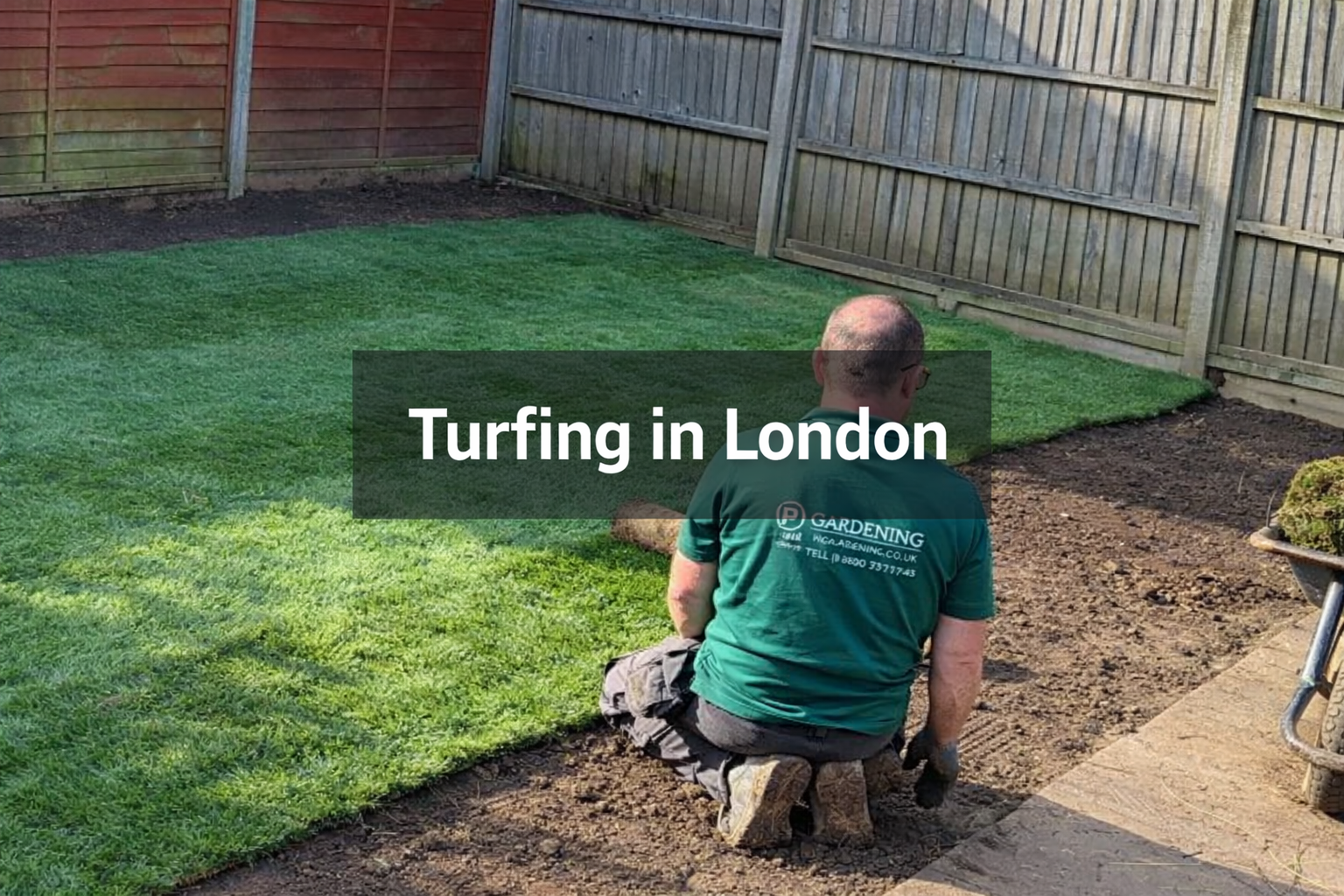
London gardens are as diverse as the city’s neighbourhoods. But beneath the daffodils and decking lies something even more important: the soil. Whether you’re thinking about turfing, searching for “turfing near me”, or planning to lay new grass turfing, how your soil behaves can make or break your lawn.
Let’s see how London’s soil types impact your turf, and how to fix common problems like a pro
TL;DR
- London soil is often clay-heavy, which can cause drainage and compaction issues for turf
- Soil type directly affects root growth, drainage, and lawn longevity
- Proper soil preparation is essential when turfing a lawn in London
- Adding organic matter improves both clay and sandy soils
- Artificial turfing can be an alternative where soil problems are severe
- Good groundwork leads to healthier, longer-lasting grass turfing
Why Soil Matters for Turfing
In short, your lawn is a living system rooted in soil that supplies water, nutrients, and structure. If the soil is too heavy or too dry, your newly laid turf struggles to establish roots, remains patchy, or becomes lopsided after rainfall. Simply put: good soil equals a strong, lush lawn.
Common Soil Types in London
London’s gardens can contain a mix of soil types. The big ones you’re likely to meet include:
Clay Soil (Heavy and Sticky)
This is a classic London challenge. Clay feels dense, holds water like a sponge, and becomes compacted easily – wet, it’s a bog; dry, it’s rock hard. That means your turf can struggle to establish roots or drain properly.
Sandy Soil (Loose and Fast-Draining)
Sandy soil feels gritty and drains quickly. It’s easy to work with, but it can dry out fast and fails to hold nutrients for your grass.
Loamy Soil (The Ideal Mix)
A gardener’s dream, loam is a balanced blend of clay, sand, and silt. It drains well, holds moisture and nutrients, and gives your turf a comfy home.
How Soil Affects Lawn Performance
Root Development
Healthy roots need oxygen, room to grow, and consistent soil contact. Heavy clay can suffocate roots; sandy soil might let them dry out. Well-prepared loamy soil is the sweet spot for deep, resilient root systems.
Water Drainage
Poor drainage leads to standing water, root rot, and uneven turf. Too much drainage can leave grass thirsty. Balancing your soil’s texture helps water behave—neither puddling nor vanishing instantly.
Nutrient Availability
Soil is grass food. Clay can trap nutrients but make them hard to access; sandy soils lose nutrients quickly with rainfall. Improving soil structure allows nutrients to travel to the grassroots efficiently.
Soil Prep Tips Before Turfing a Lawn
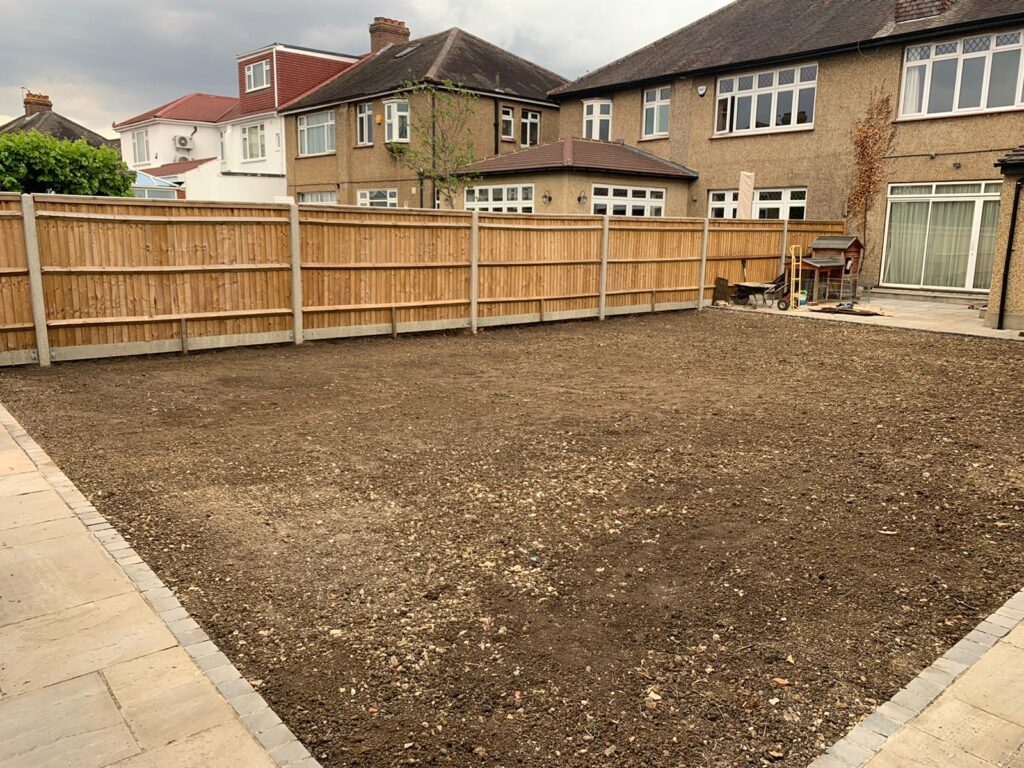
Getting the groundwork right is half the war won. Here’s how to give your new turf the best start:
Clear and Level the Area
Remove old grass, weeds, and debris so that your fresh turf sits directly on prepared soil.
Test and Adjust Your Soil
Use a pH test kit to check acidity. Aim for a slightly acidic to neutral range (roughly 6.0–7.0) for best grass growth. Lime can raise pH; sulphur lowers it.
Amend Heavy or Sandy Soil
- For clay, dig in organic matter (compost or well-rotted manure) to improve structure and drainage.
- For sandy soil, add organic material to help water and nutrients stay put.
Rake and Firm
Smooth soil before laying grass turfing, then firm it down to remove air pockets. This helps roots make good contact with the soil.
Natural Turfing vs Artificial Turfing
If your soil is particularly troublesome, you might consider alternatives:
Natural turfing gives that traditional lawn look and feel, but it absolutely depends on good soil preparation.
Artificial turfing isn’t affected by soil type and can be installed almost any time. Think about it if soil remediation seems too big a project – and avoid confusing it with craft tufting gun techniques, which are about fabric design, not garden turf.
FAQs
What type of soil is most common in London gardens?
Most London gardens sit on clay or clay-based soil. It holds water well but drains poorly, which can cause problems for turfing if not prepared correctly.
Can you lay turf on clay soil?
Yes, but clay soil needs improving first. Adding compost or organic matter helps loosen the soil, improve drainage, and allow turf roots to establish properly.
How do I know if my soil needs improving before turfing?
If water pools on the surface, the soil feels very hard when dry, or sticky when wet. Improvement is needed before grass turfing begins.
Is artificial turfing better for poor soil?
Artificial turfing is not affected by soil quality in the same way as natural grass. It can be a good option if drainage or soil improvement isn’t practical.
How long should soil be prepared before turfing a lawn?
Ideally, soil should be prepared and settled for at least a few days before laying turf. This ensures a level surface and good soil-to-root contact.
What’s the difference between turfing and tufting gun work?
Turfing is for lawns and gardens. A tufting gun is a craft tool used for making rugs and textiles and has nothing to do with grass or artificial turfing.
Final Thoughts
London soil might seem like a mystery beneath your feet, but with a little know-how and preparation, it stops being an obstacle and becomes the foundation of your perfect lawn.
Ready for a welcoming lawn that thrives in London’s unique ground conditions? Contact us today and let’s get started!