
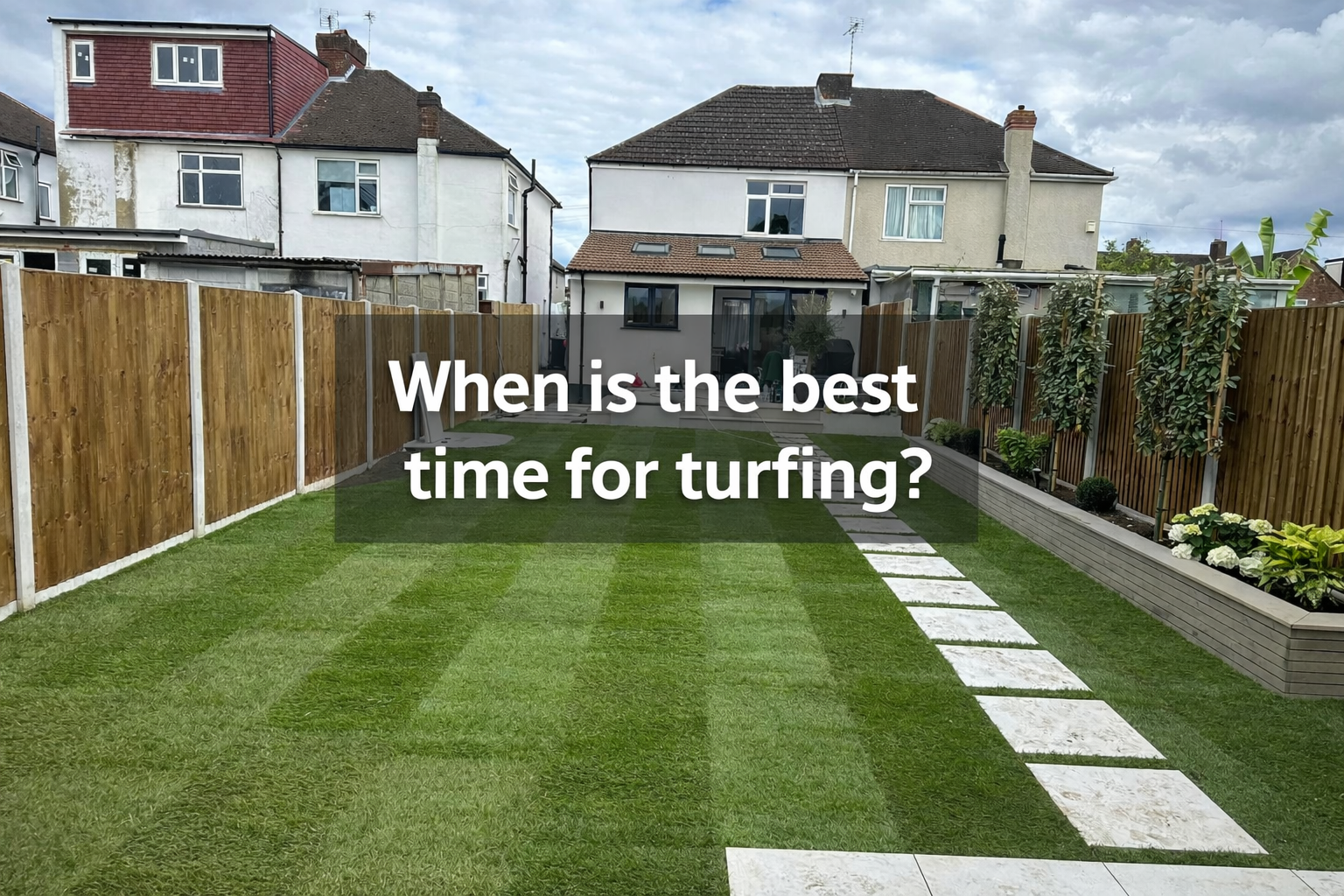
London’s climate plays a significant role in determining the success of turfing a lawn. With frequent rainfall, mild winters and occasional summer heatwaves, timing your grass turfing correctly can make the difference between a lush, healthy lawn and turf that struggles to establish. Whether you are searching for turfing near me or planning a full garden renovation, understanding when to lay turf in London is essential.
TL;DR
The best time for turfing in London is spring (March to May) and autumn (September to October), when temperatures are mild, and rainfall helps turf establish strong roots. Avoid extreme summer heat and frozen winter ground. Proper ground preparation, regular watering, and choosing the right type of grass turfing ensure long-lasting results.
When Is the Best Season for Turfing in London?
The best season for turfing in London is typically spring or autumn. These periods offer balanced temperatures and consistent rainfall, which help newly laid turf settle quickly. Grass turfing relies on root growth into the soil, and mild weather reduces stress on the turf while minimising the need for excessive watering.
Key benefits of spring and autumn turfing include:
- Faster root establishment due to moist soil
- Reduced risk of heat or frost damage
- Easier aftercare compared to summer turfing
Choosing the right season is often the first question people ask when searching for turfing near me, and for good reason.
Why Is Spring Ideal for Turfing a Lawn?
Spring is ideal for turfing a lawn because soil temperatures start to rise while moisture levels remain high. From March to May, turf can establish strong roots before summer heat arrives. Spring turfing allows time to correct any issues before peak garden use.
Advantages of spring turfing:
- Active grass growth for quick recovery
- Fewer weeds compared to summer
- Easier lawn maintenance early in the season
However, late frosts can still occur, so it is important to avoid laying turf during cold snaps.
Is Autumn a Good Time to Lay Turf in London?
Autumn is often considered the best overall time for turfing in London. September and October provide warm soil from summer and regular rainfall, creating near-perfect conditions for grass turfing. Weed growth also slows down, giving new turf less competition.
Autumn turfing benefits are:
- Excellent root development before winter
- Less watering is required than in summer
- Strong lawns ready for spring growth
For many professionals offering turfing near me services, autumn is the busiest and most reliable season.
Can You Do Grass Turfing in Summer or Winter?
Turfing can be done in summer or winter, but it requires extra care. Summer turfing a lawn is risky due to heat and drought, which can cause turf to dry out quickly. Frequent watering is essential, sometimes multiple times a day.
Winter turfing is possible during mild spells, but should be avoided when the ground is frozen or waterlogged. Cold soil slows root growth, increasing the risk of turf failure.
Seasonal challenges include:
- Summer: heat stress and high water demand
- Winter: frozen soil and poor root establishment
Professional advice is recommended if turfing outside the ideal seasons, so don’t hesitate to contact PI Gardening for a free quote corresponding to your gardening needs – at home or in a commercial property.
How Does Soil Preparation Affect Grass Turfing Success?
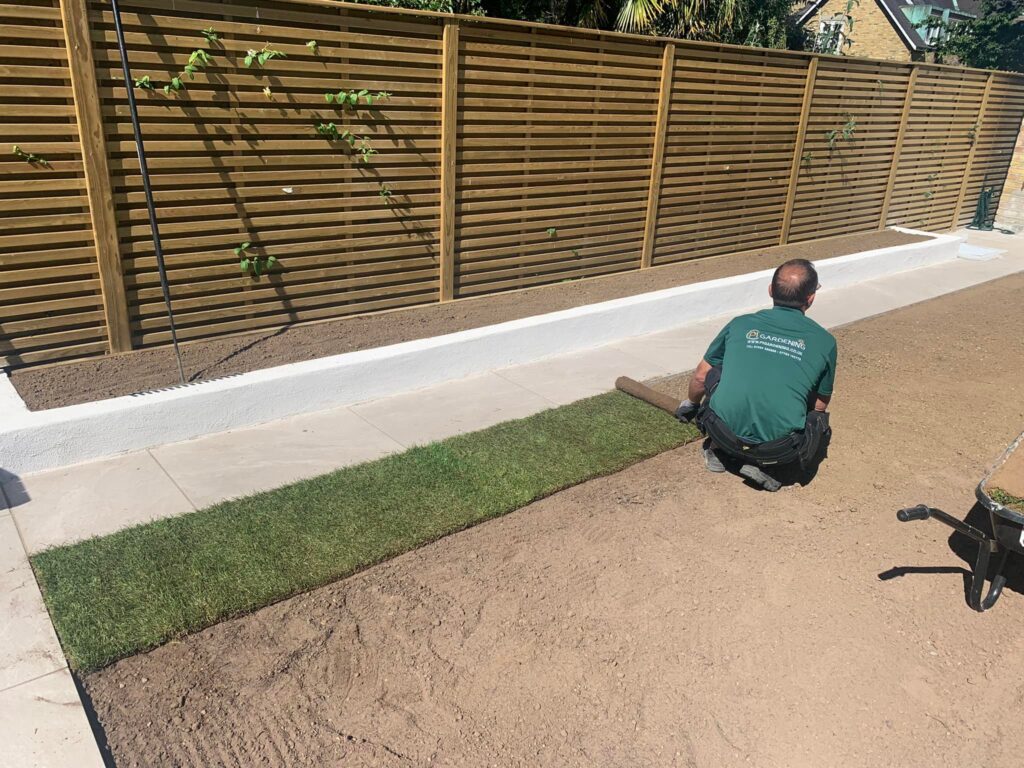
Soil preparation is just as important as timing when it comes to grass turfing. Poor preparation can cause uneven growth, drainage problems and weak roots. Before turfing a lawn, the ground should be cleared, levelled, and enriched with quality topsoil.
Essential preparation steps include:
- Removing weeds, stones and debris
- Improving drainage and soil structure
- Compacting and levelling the surface
Good preparation ensures the turf makes full contact with the soil, allowing roots to establish quickly regardless of season.
What About Artificial Turfing and Other Alternatives?
Artificial turfing is an alternative for homeowners who want a low-maintenance lawn that looks green all year round. Unlike natural turf, artificial turfing can be installed almost any time of year, as it does not rely on root growth.
It is worth noting that artificial turfing is very different from creative textile techniques like using a tufting gun, which is unrelated to garden lawns and instead used for making rugs. While both use the word “turf” or “tuft,” they serve entirely different purposes.
Choosing between natural turfing and artificial turfing depends on:
- Maintenance preferences
- Budget considerations
- Desired look and feel of the garden
Frequently Asked Questions
How soon can you walk on newly laid turf?
Light foot traffic is usually fine after 2–3 weeks, once roots have started to establish.
How often should new turf be watered?
New turf should be watered daily for the first two weeks, especially in dry conditions.
Is turfing better than seeding a lawn in London?
Yes. Turfing provides instant results and is less affected by birds, weeds and uneven germination.
Can artificial turfing increase property value?
It can improve visual appeal and reduce maintenance, but preferences vary between buyers.
Final Thoughts
The best time for turfing in London is during spring or autumn, when weather conditions support healthy root growth and long-term lawn success. While turfing a lawn is possible year-round with the right care, avoiding extreme heat and frozen ground gives the best results. With proper preparation, watering and timing, grass or artificial turfing can transform your garden into a durable, green space that thrives in London’s unique climate. We’re here for you – just drop us a line!